
With support from the Open Rivers Programme, Rewilding Ukraine is launching a new phase of work aimed at restoring the free flow of the Kogilnik River and improving the health of its river ecosystem.
The team has previously removed artificial barriers at the mouths of the Kogilnik, Kagachka and Sarata rivers in southern Ukraine. Now, we are moving towards a systematic assessment of hydraulic infrastructure across the Ukrainian part of the Kogilnik River basin, including obsolete, damaged and abandoned dams, weirs and sluices.
Many of these structures negatively affect the condition of the river: they interrupt its free flow, reduce water quality, contribute to waterlogging and excessive vegetation growth, and increase water losses through evaporation. Some deteriorating structures may also pose a potential flood risk to settlements and agricultural land in the event of failure or dam breaches.
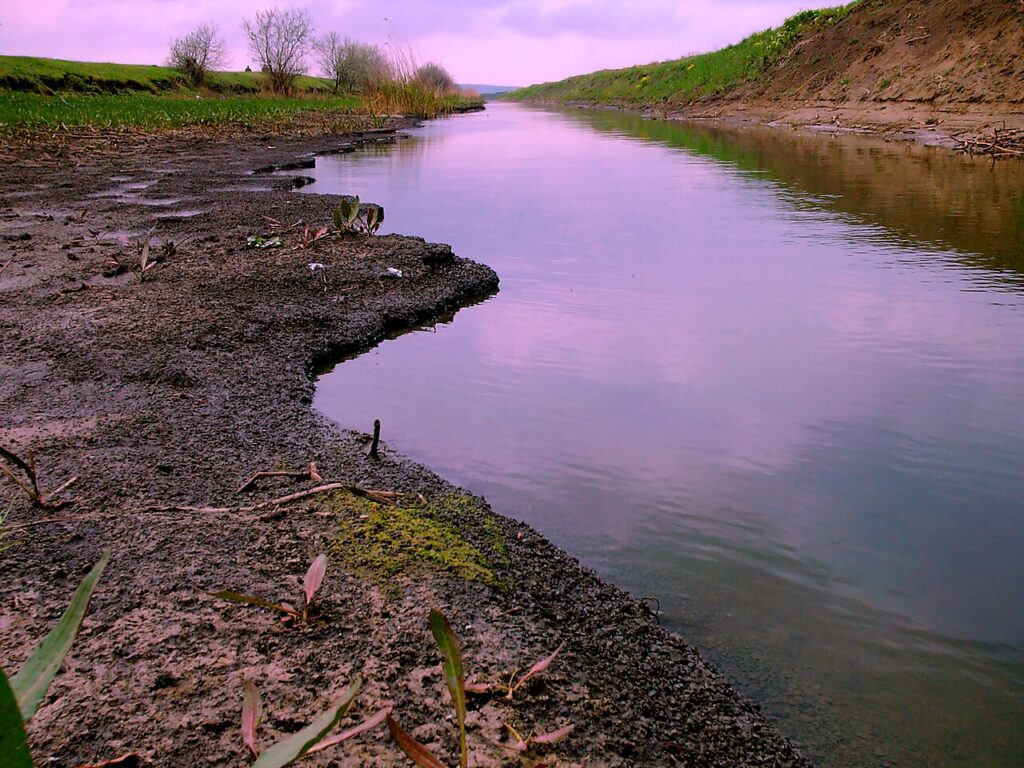
Kogilnik: a river connecting the steppe with the Black Sea
The Kogilnik (Cogâlnic) is a 243-kilometre-long steppe river flowing through Moldova and Ukraine. Its 120-kilometre Ukrainian section crosses the dry steppe landscapes of Odesa Oblast before flowing into Lake Sasyk within the Danube Biosphere Reserve.
In the past, the Kogilnik’s meandering channel, surrounded by steppe, floodplain meadows, reedbeds and riverside willow vegetation, formed a characteristic southern Ukrainian landscape rich in biodiversity.
Today, the river is under significant human pressure due to the ploughing of its valley and riparian buffer zones, the loss of riverside woody vegetation, channel straightening and the construction of numerous hydraulic structures. At the same time, the Kogilnik retains significant potential for ecological restoration.
Together with its tributaries — the Chaha, Saka, Chiligider, Dzhalar, Kagach, Bakhmutka and Frumushika — the river forms an important ecological corridor connecting inland steppe habitats with the Black Sea coast and three Emerald Network sites.
The river’s meanders, wet meadows, reedbeds and riparian habitats provide shelter and feeding grounds for numerous representatives of Ponto-Caspian aquatic fauna, including Ponto-Caspian gobies (Caspiosoma caspium and Benthophiloides brauneri), the Danube crayfish (Pontastacus leptodactylus), as well as rare amphibians and mammals such as the fire-bellied toad (Bombina bombina), European pond turtle, Eurasian otter and European mink. The river is also important for many species of waterbirds.
More than 50 existing or potential river barriers are known in the Ukrainian part of the basin. A significant proportion of these structures are in poor technical condition, seriously damaged or were installed without the necessary permits.
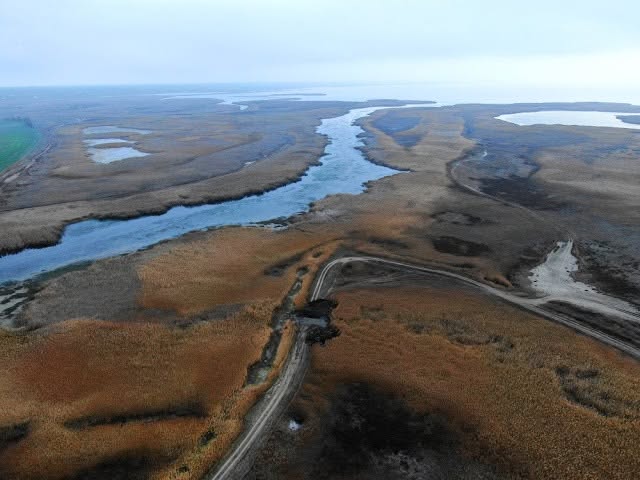
Context and opportunities
Decades of river channel straightening for agricultural purposes, drainage and flow regulation have fragmented the Kogilnik. Obsolete sluices, earthen dams and small weirs restrict fish movement, alter the natural water regime, contribute to excessive reed growth, and increase water evaporation and mineralisation.
These pressures are being intensified by climate change, including rising temperatures and increasing aridity across the region.
Restoring the Kogilnik is in line with the priorities of the Black Sea River Basin Management Plan for 2025–2030.
Previous restoration measures have already demonstrated the potential of this approach. In 2019, four barriers were removed at the mouth of the Kogilnik as part of a wider conservation intervention, during which ten barriers and dams on the Kogilnik, Kagach and Sarata rivers were cleared or partially removed.
Monitoring in 2021 recorded 150 hectares of rewatered natural habitats — 22.5% more than in 2020 — as well as signs of restored fish spawning and wet meadow habitats.
The new project will build on this experience across the Kogilnik basin, identifying the sites and measures with the greatest potential for further river restoration.
What do we plan to achieve?
Thanks to Open Rivers Programme Rewilding Ukraine will carry out a comprehensive assessment of 120 kilometres of the Ukrainian section of the Kogilnik and its main tributaries, covering more than 324 kilometres of river channels in total.
Field surveys will:
- identify key barriers to the river’s free flow;
- inventory and assess the condition of hydraulic structures;
- identify priority sites for restoration;
- assess the potential conservation benefits of removing individual barriers;
- create a GIS database of river barriers.
Based on the assessment, a Plan for Removing Unnecessary Barriers and Restoring the Kogilnik River will be developed. It will identify priority sites and practical steps for restoring river ecosystems, including around 20 kilometres of river channel in the lower part of the basin near the river mouth.
One of the project’s expected outcomes is the preparation of at least one investment-ready project for removing barriers to free flow and restoring the Kogilnik River.
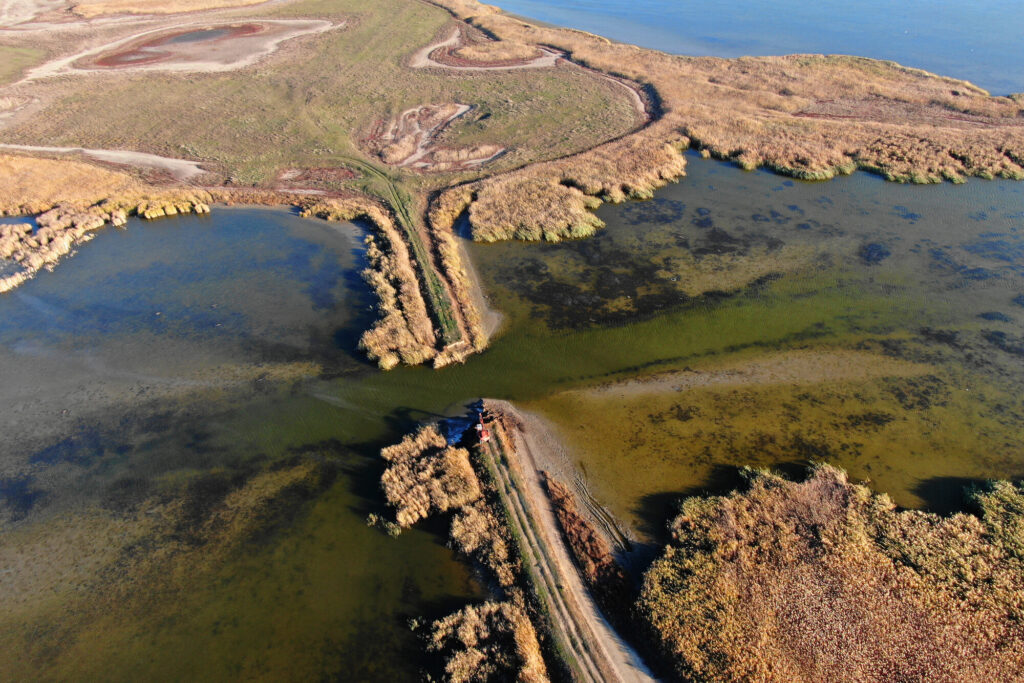
Restoring the river requires partnership
Restoring the Kogilnik is a long-term task, and its success depends on cooperation among all relevant stakeholders. Rewilding Ukraine will seek active partnerships with the Black Sea and Lower Danube River Basin Water Resources Management Authority, the Black Sea River Basin Council, the Department of Ecology and Natural Resources of the Odesa Regional State Administration, local communities and other partners.
As a transboundary river, the Kogilnik cannot be restored through efforts in Ukraine alone. Effective river restoration requires coordinated action on both sides of the border.
For this reason, the project will include working meetings and consultations with representatives of water management and nature conservation institutions in the Republic of Moldova.
From the Kogilnik to the restoration of other rivers
The project is intended not only to identify concrete opportunities for restoring the Kogilnik, but also to generate practical experience that can be applied to other small and medium-sized rivers in Ukraine, Moldova and Romania.
The results of the work — including approaches to assessing barriers, identifying priority sites and developing restoration measures — could provide a basis for future conservation projects in river basins affected by drought, flow regulation and the degradation of river ecosystems.
Free-flowing rivers are essential for healthy river ecosystems. Restoring the natural dynamics of the Kogilnik could become an important step towards recovering the river itself, as well as the steppe and wetland ecosystems connected to it in southern Ukraine.