

The Tarutyno Steppe is one of the key protected areas in the Odesa region and an integral part of the rewilding Danube Delta, covering more than 5,000 hectares.
It is one of the few remaining areas of reference steppe in Ukraine and Europe, preserving vast open grasslands and providing habitat for many rare species of flora and fauna, including numerous feather grass species. Established in 2012, the reserve is also part of the Emerald Network.
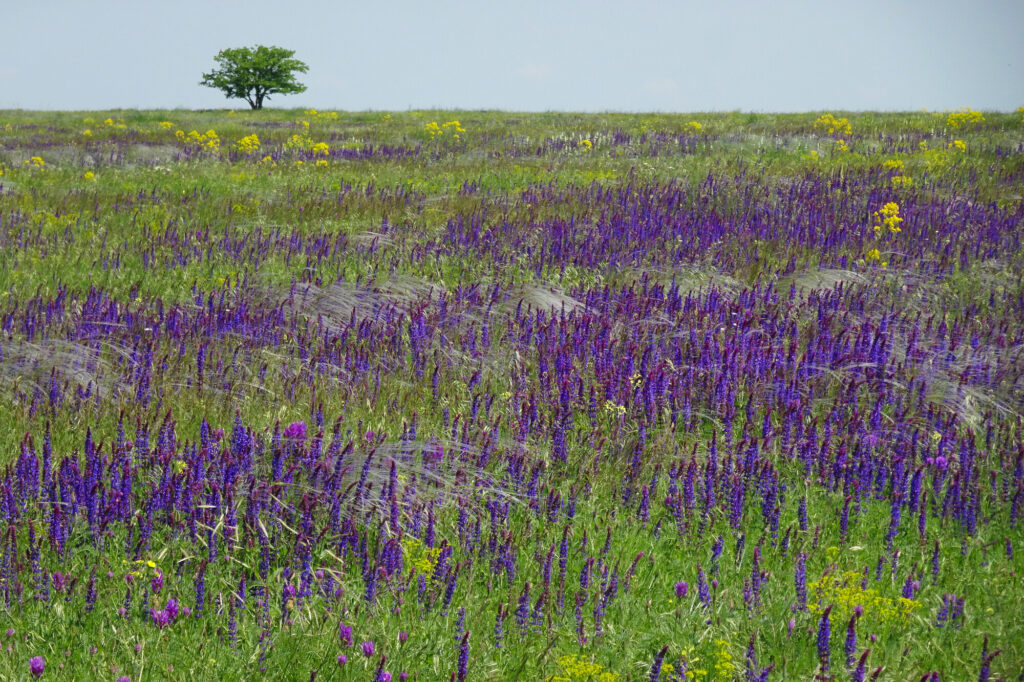
In 2016, around 1,300 hectares of steppe were damaged due to illegal ploughing. Since then, comprehensive efforts have been underway both to safeguard the remaining intact areas and to restore the damaged land. These actions are part of broader large-scale efforts to restore natural landscapes in the Danube Delta region and bring back natural self-regulating processes.
Recently, the Rewilding Ukraine team, in cooperation with scientists from the Askania-Nova Biosphere Reserve and representatives of the Budzhak community, including local farmers, took another important step in this process. The work is carried out within the framework of a joint cooperation memorandum and follows the reserve’s regulations, according to which the community is responsible not only for conserving, but also restoring natural areas.
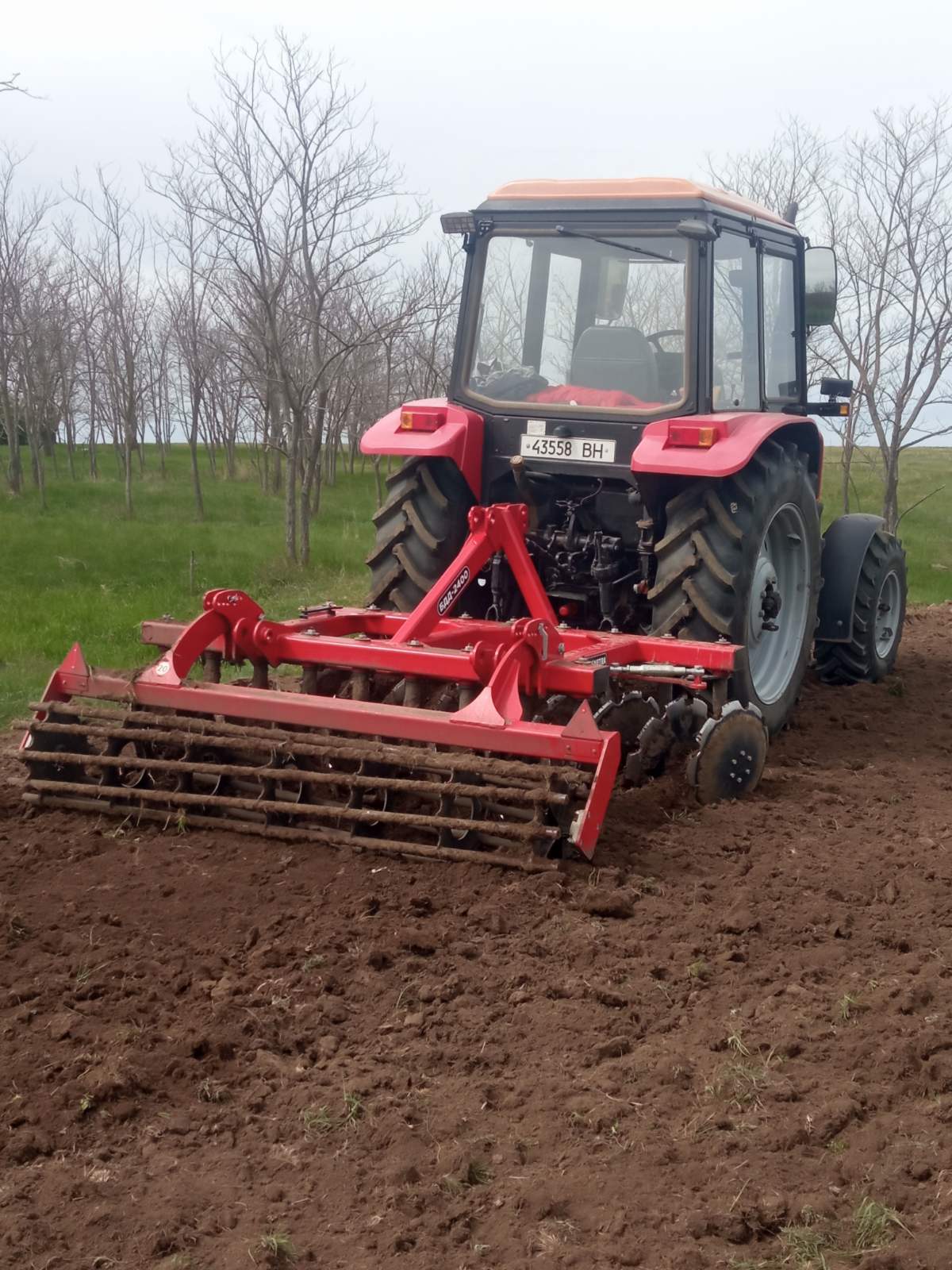
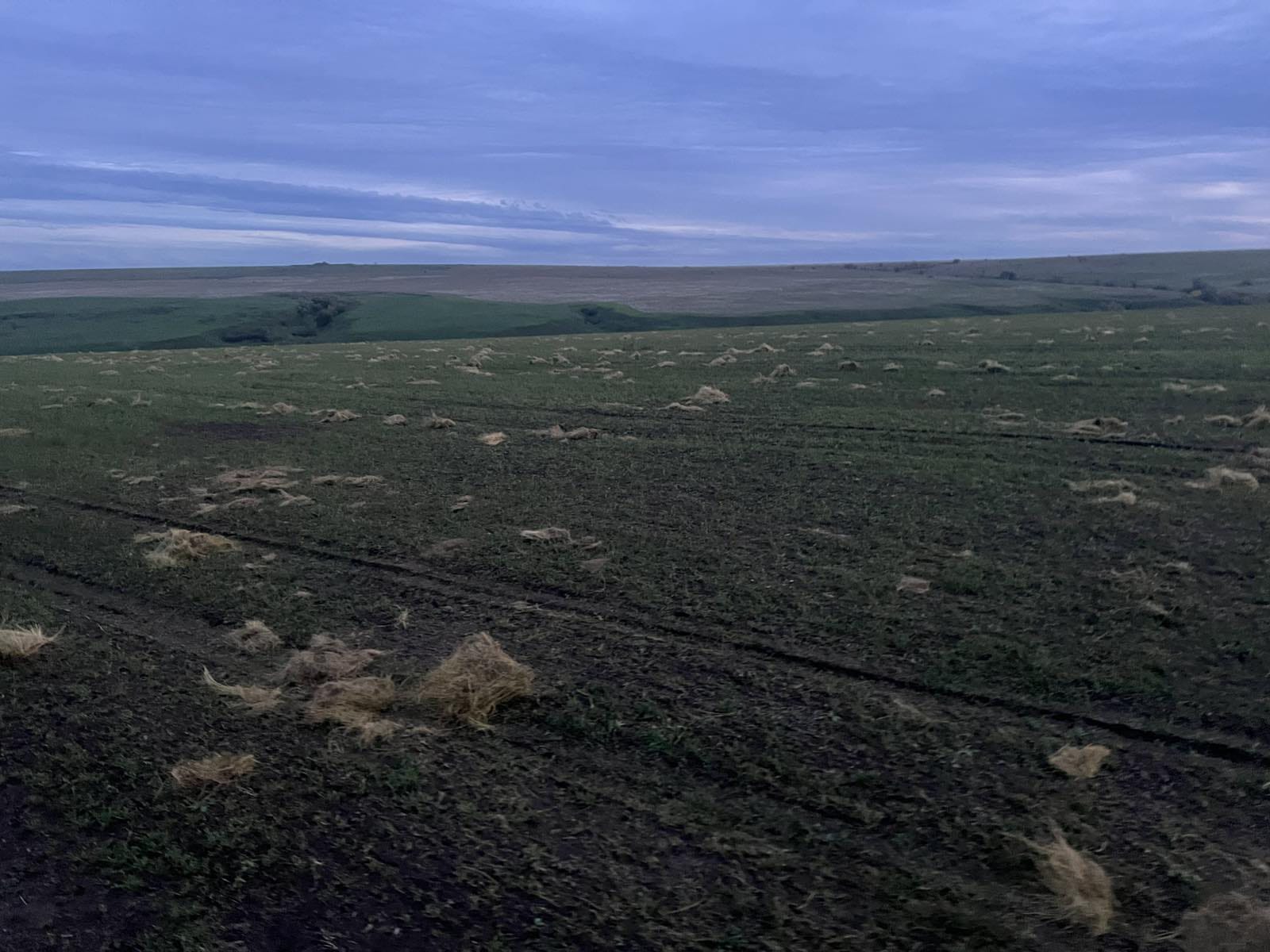
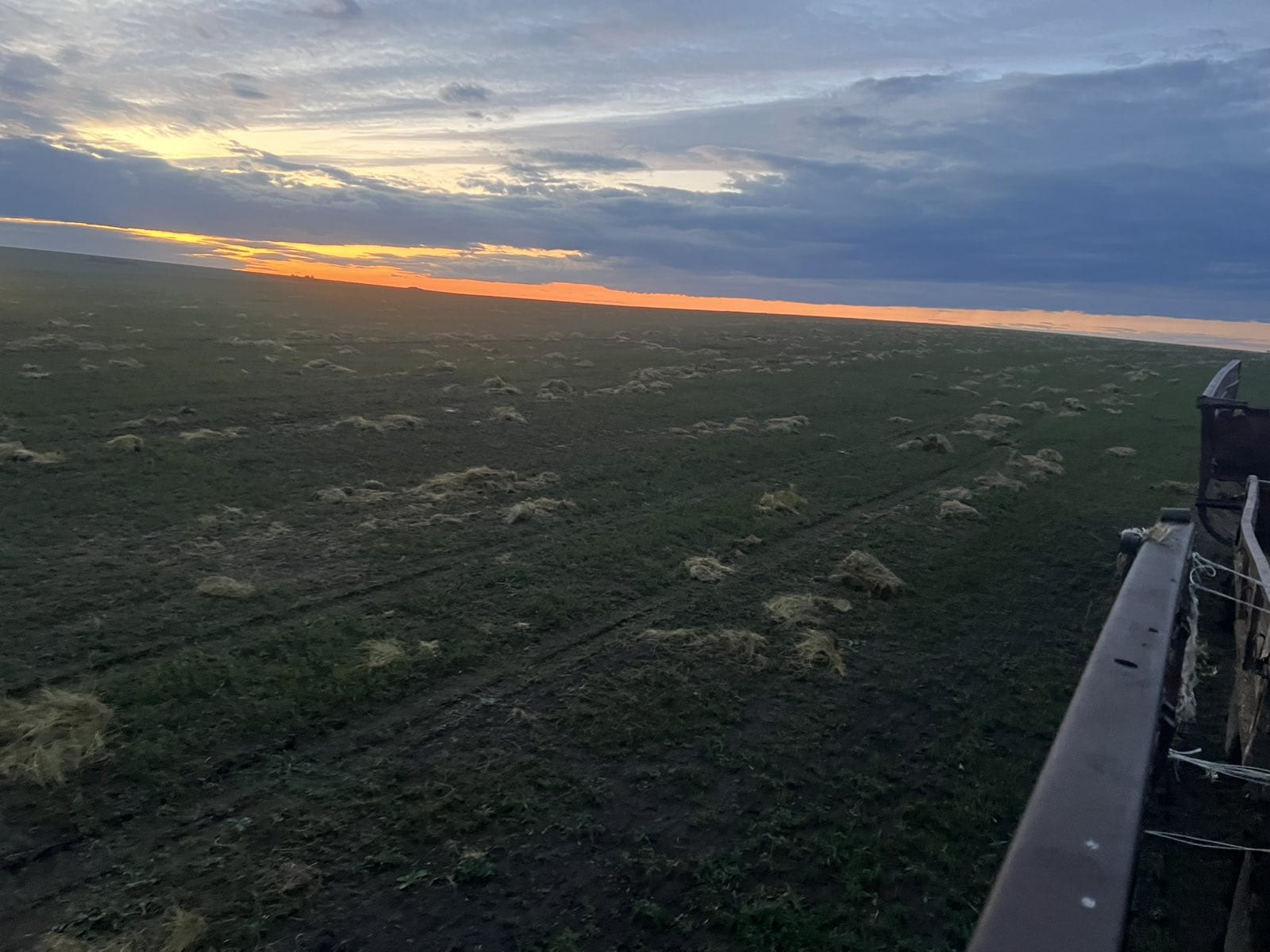
Using agricultural machinery provided by Rewilding Ukraine, extensive soil preparation and sowing of grass mixtures based on the Askania-Nova methodology were carried out on an area of more than 80 hectares. This approach helps accelerate the recovery of steppe vegetation and avoid the weed-dominated stage that usually accompanies natural regeneration and hampers the formation of valuable steppe plant communities.
Both purchased seed material and seeds collected from local hayfields were used for the restoration. This contributes to recreating a vegetation composition that is as natural as possible.
To assess the effectiveness of the restoration process, monitoring plots were established during the fieldwork. Different restoration approaches are being tested, including the use of hay collected from nearby areas only, sowing of grass mixtures, and a combination of grass mixtures with alfalfa. Comparing these methods will help identify the most effective restoration practices, which could become valuable experience for Ukraine, particularly in the context of post-war restoration of steppe ecosystems.
During the restoration process
Scientists from the Askania-Nova Biosphere Reserve are providing ongoing scientific support for the process and have already started the first assessment studies. In addition, an automatic weather station has been installed in the area to monitor changes in climatic conditions and seasonal dynamics of key meteorological indicators. Linking climate data with processes taking place in plant and animal communities is an important component of future botanical, zoological and ecological research.
The restoration of the Tarutyno Steppe is part of a long-term vision to create a more resilient and self-regulating steppe landscape, where natural processes — including the impact of wild herbivores — once again play a key role.