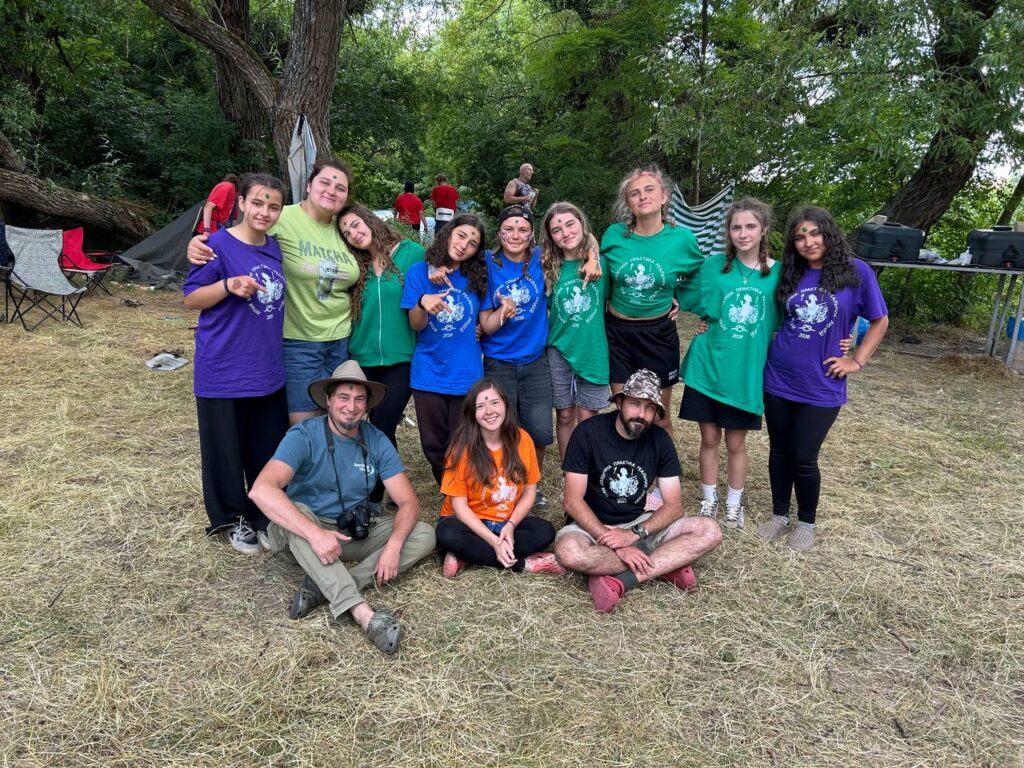

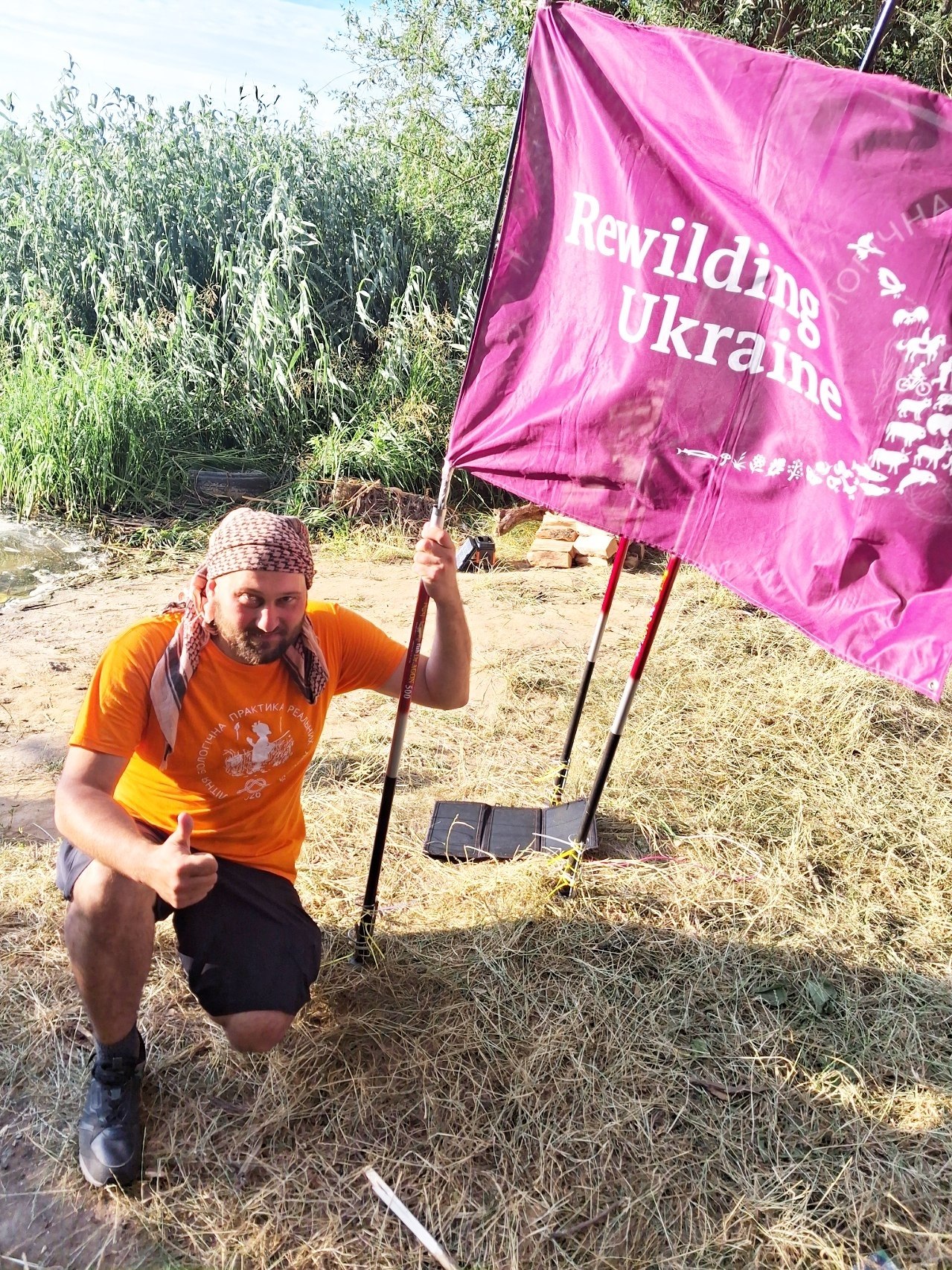
In July, Rewilding Ukraine joined the “Summer biology field practice” (LBPRL) camp as a partner of one of Ukraine’s best-known field-based educational camps.
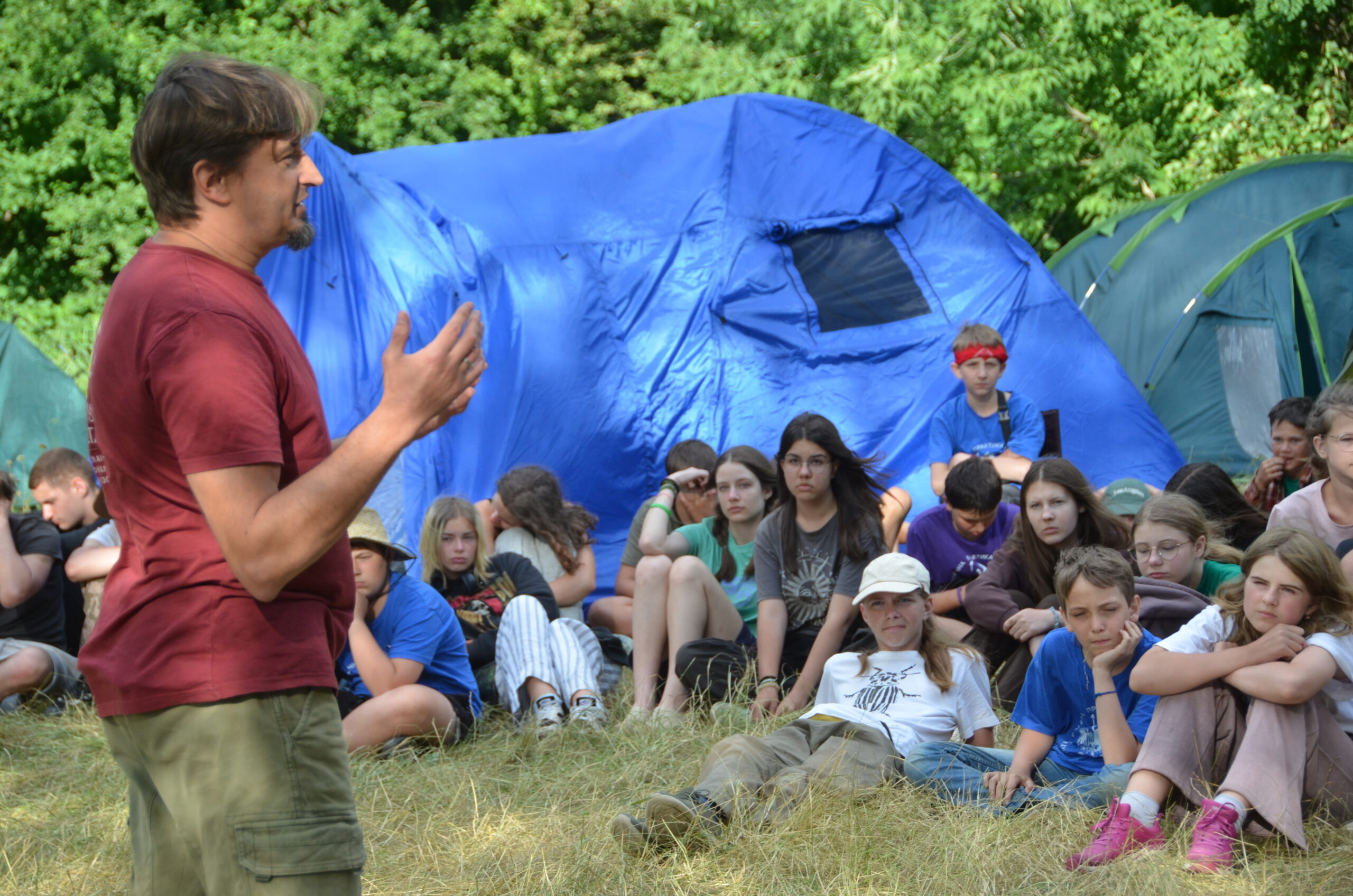
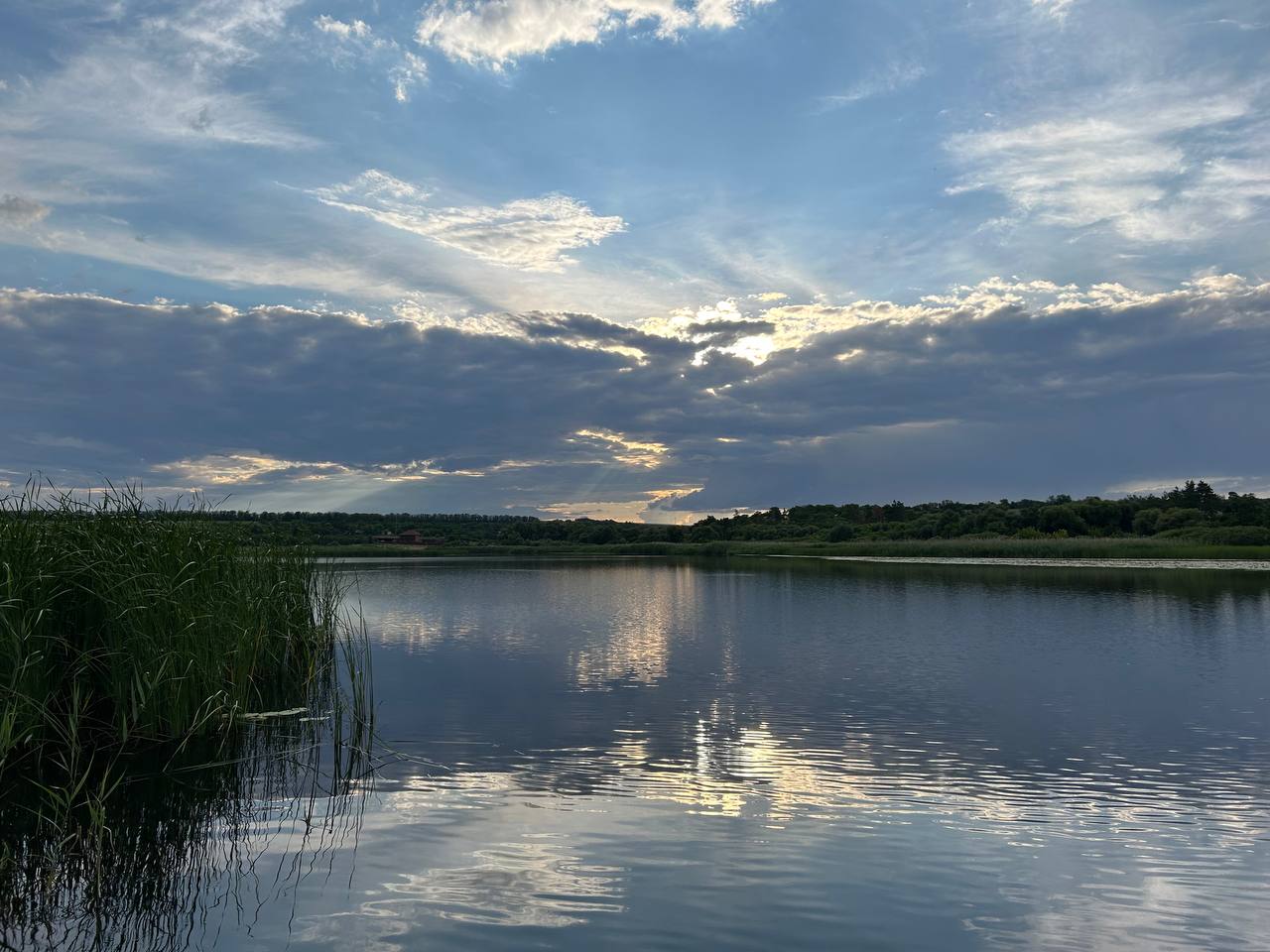
This year’s practice took place on the scenic banks of the Syniukha River, bringing together more than 100 participants, including school students, university students, scientists, teachers, and representatives of local communities.
LBPRL is an annual field practice that immerses participants in real scientific research. For 2 weeks, they live in a tent camp, explore nature, work alongside leading Ukrainian scientists, and carry out genuine field studies. Teams investigate different sites, collect data on plants and animals, assess ecosystem conditions, and present the results of their research at the end of the camp.
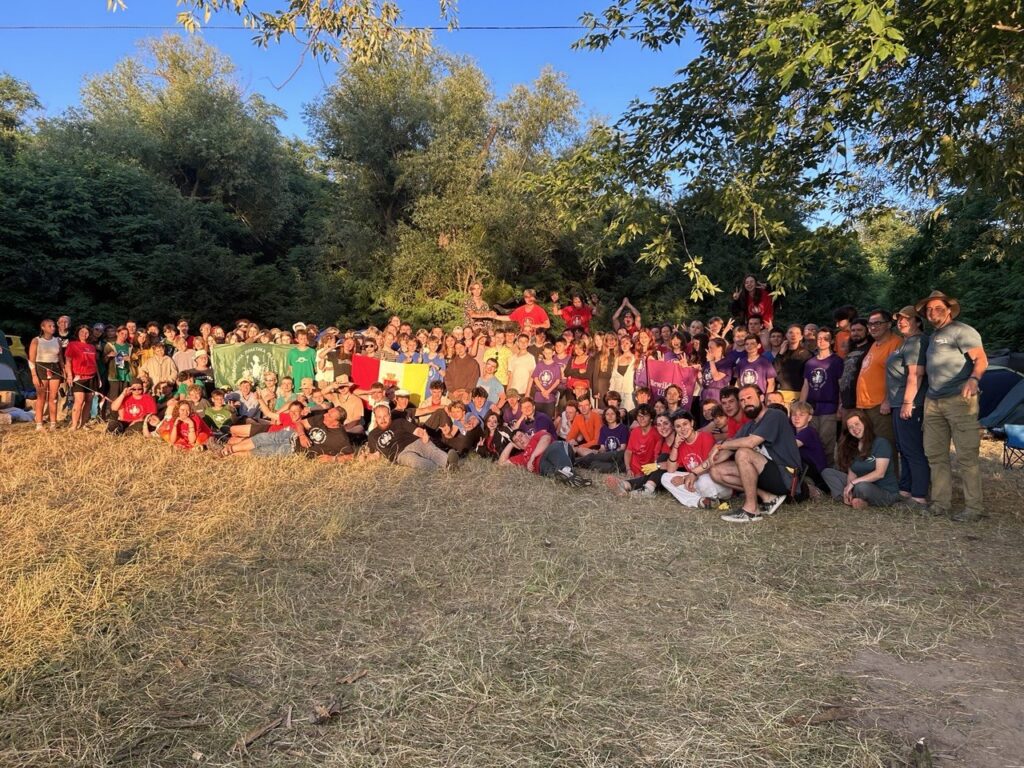
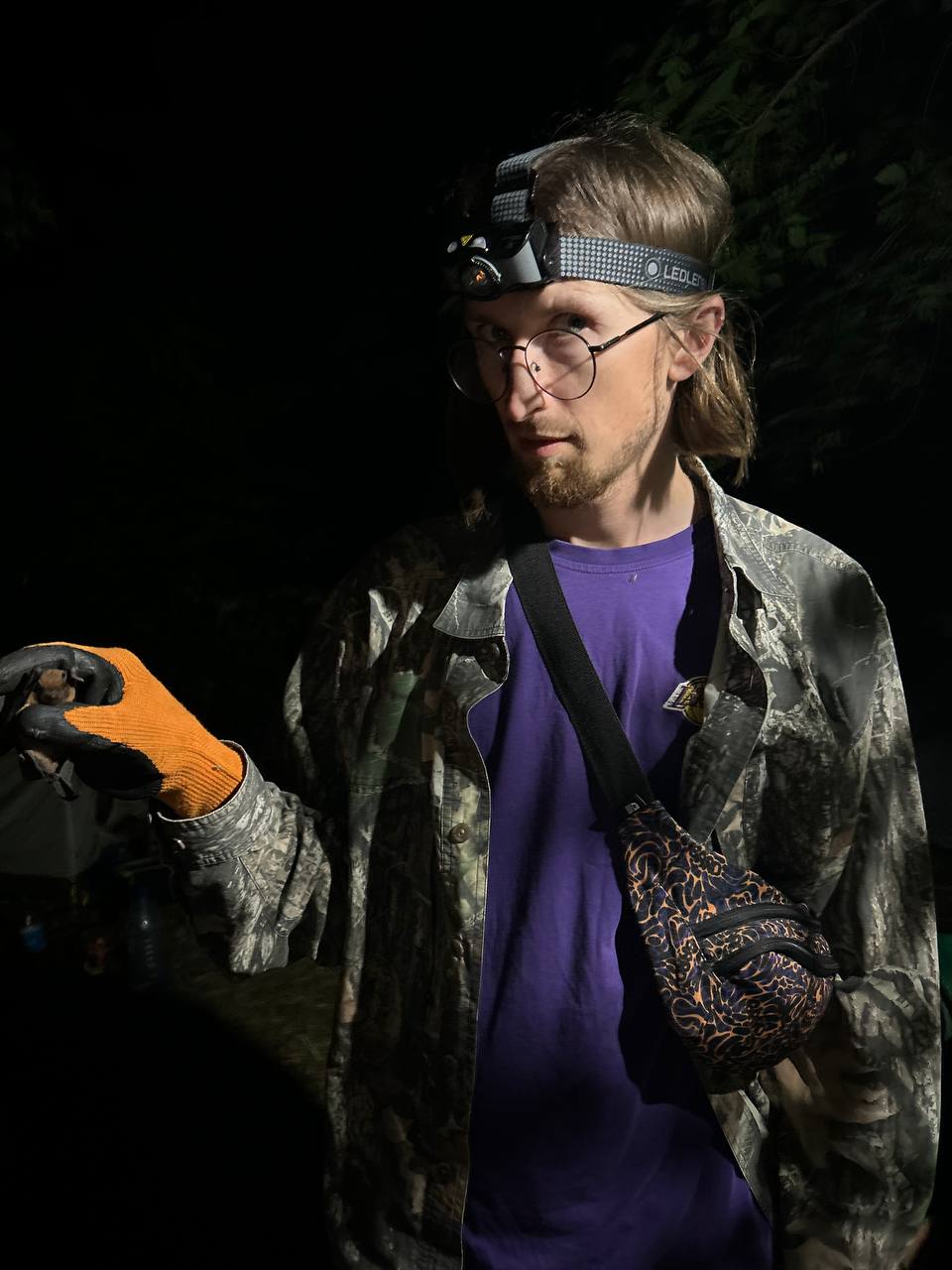
This year, participants worked in eight scientific disciplines: herpetology, entomology, ornithology, mammalogy, invertebrate zoology, nature conservation, and rewilding. The rewilding group was coordinated by Rewilding Ukraine’s Communications Manager.
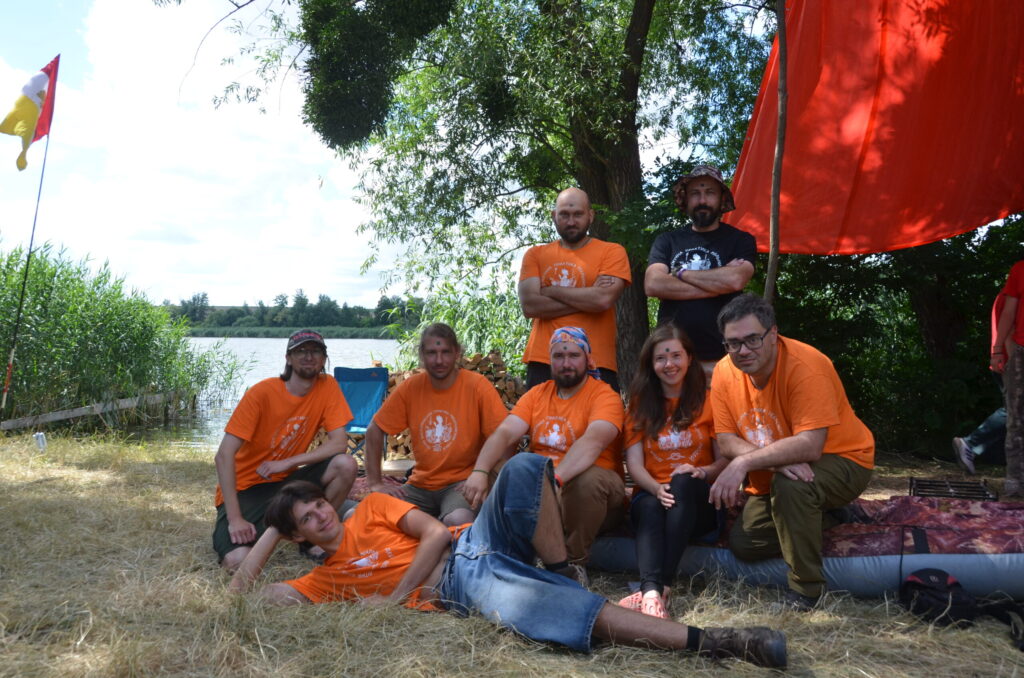
Participants explored natural processes in the Syniukha River valley, learned about the principles of ecosystem restoration, and assessed landscapes from a rewilding perspective. Together, they examined how natural processes can restore ecosystems, discussed the role of large herbivores, the natural dynamics of rivers and grasslands, and developed their own ideas for restoring the areas they studied. They also analysed opportunities for rewilding the Syniukha valley, identified barriers affecting the river, assessed the role of grazing and invasive species, and proposed restoration strategies for the landscape.
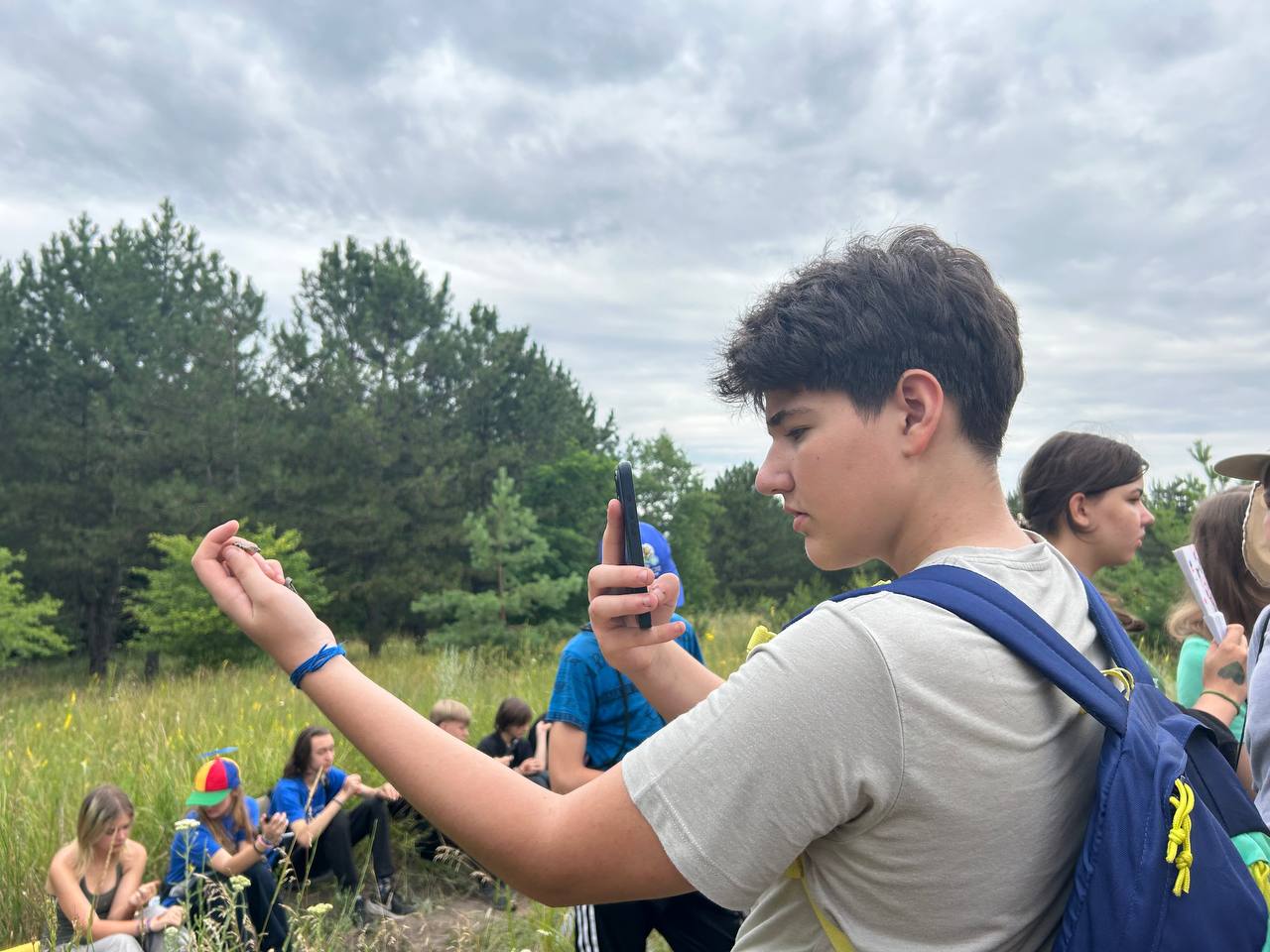
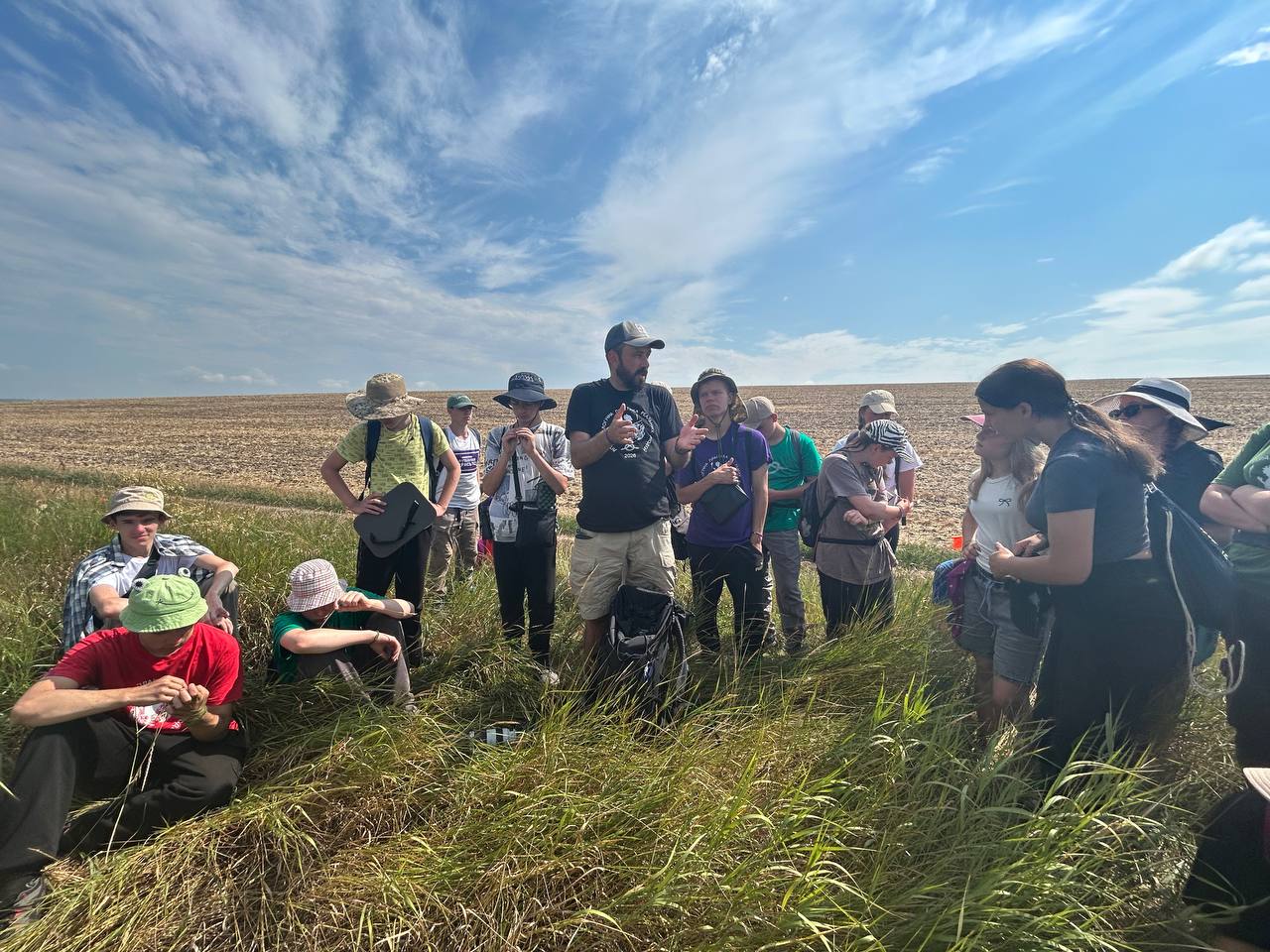
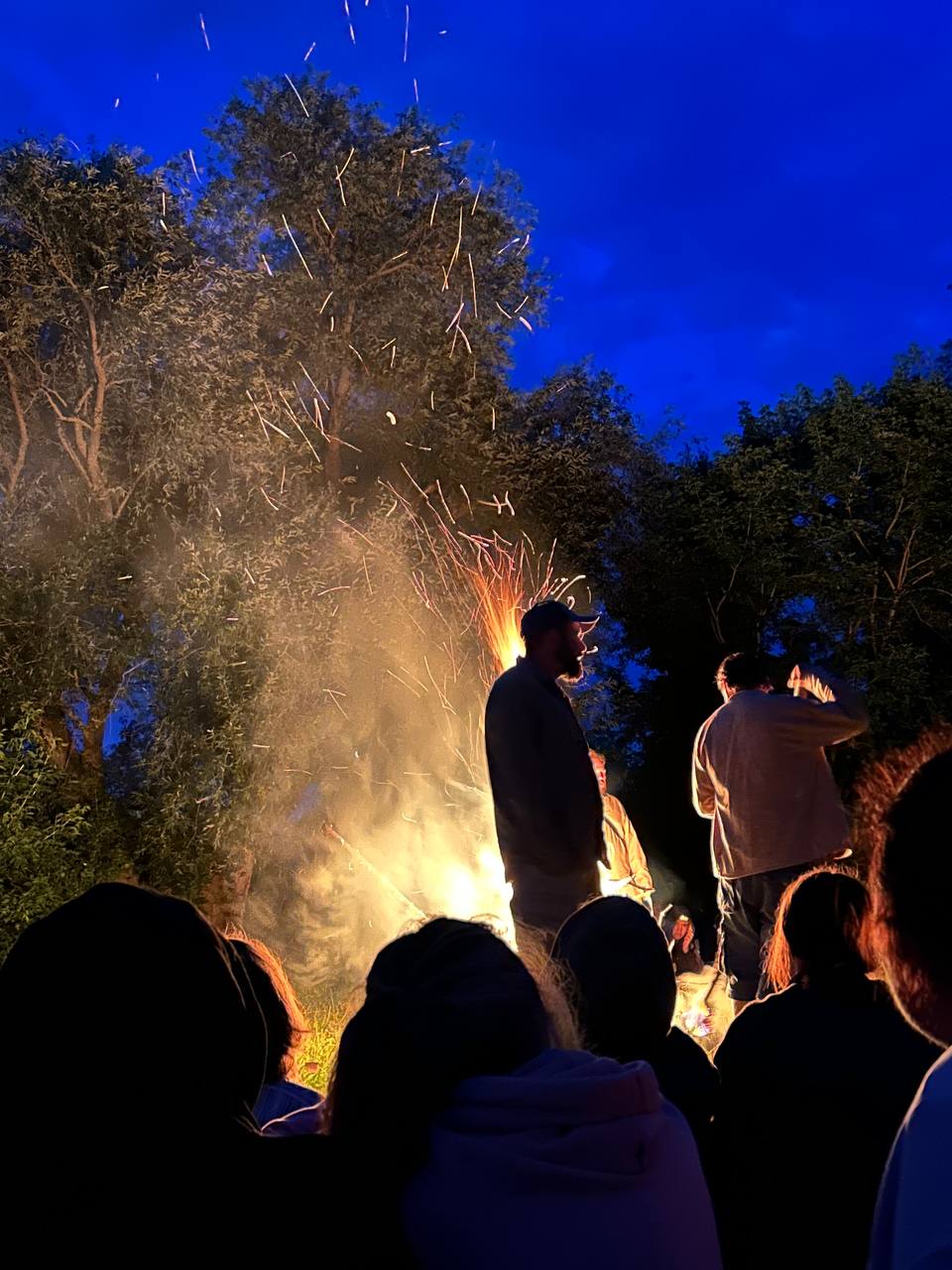
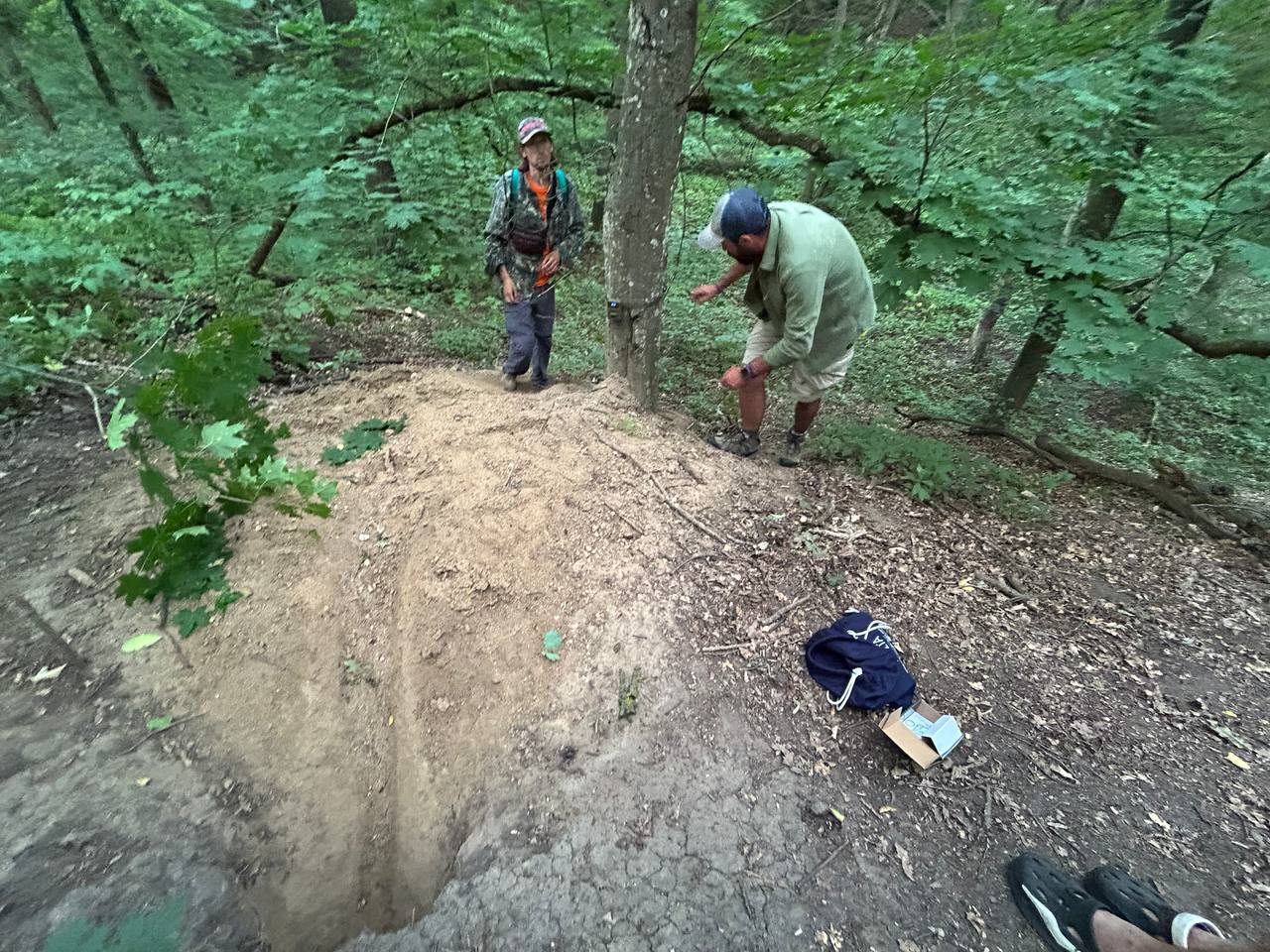
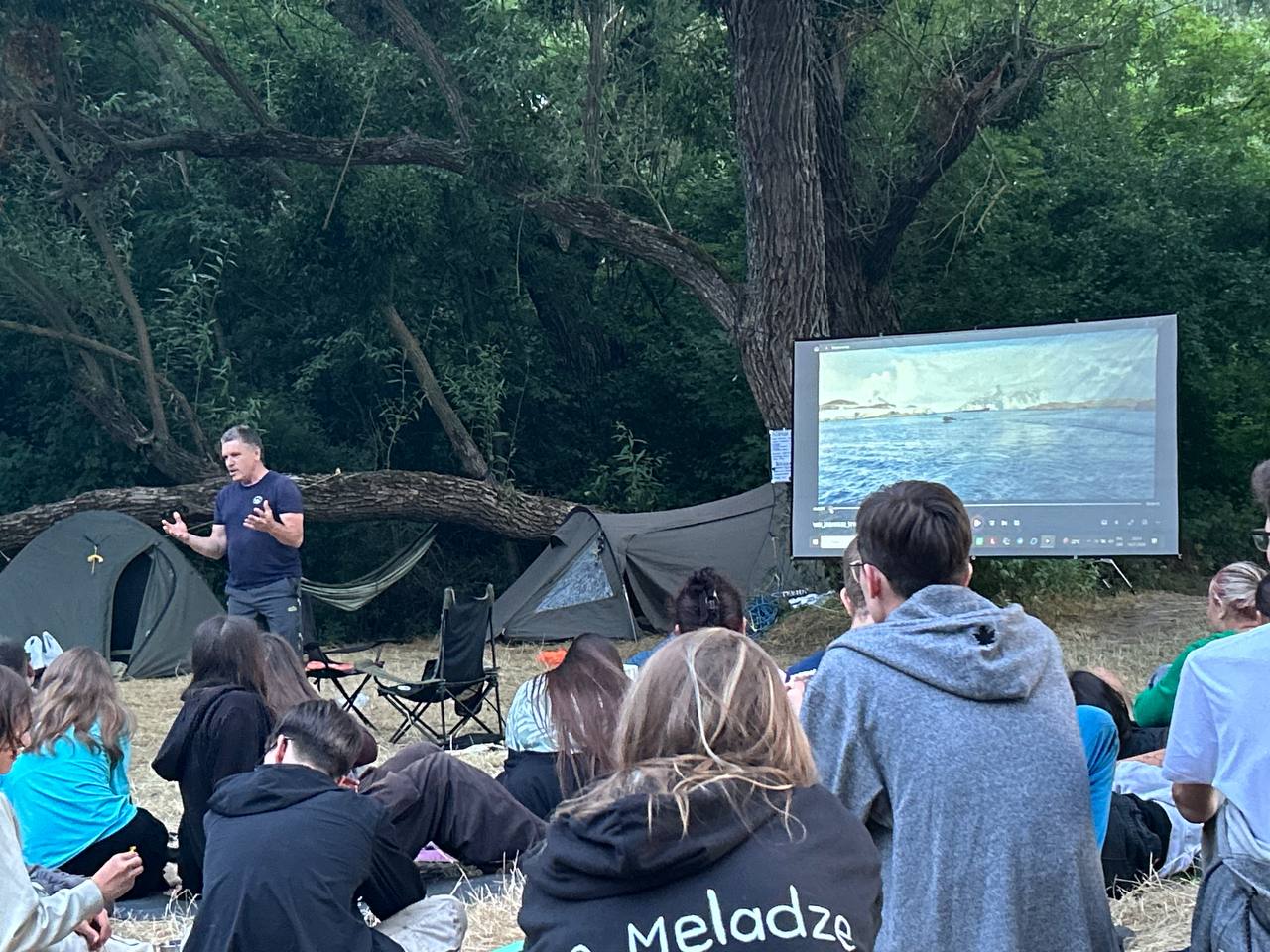
In addition to fieldwork, participants attended lectures, evening discussions, and traditional camp activities while learning from conservation practitioners from across Ukraine. The camp was also visited by Vladyslav Vodko with humanities lectures, Rewilding Ukraine’s Director, Oleh Diakov, Communications Manager Kateryna Kurakina, and Oleksandr Kurakin, a scientist from the Institute of Marine Biology of the National Academy of Sciences of Ukraine, who had recently returned from the Ukrainian Antarctic research station Akademik Vernadsky.
A special feature of this year’s practice was the participation of representatives from the Vylkove and Budzhak communities in the Odesa region. For them, the camp provided an opportunity to learn about modern approaches to field research, nature conservation, and ecosystem restoration, while gaining practical experience that can support future conservation initiatives in their own communities.
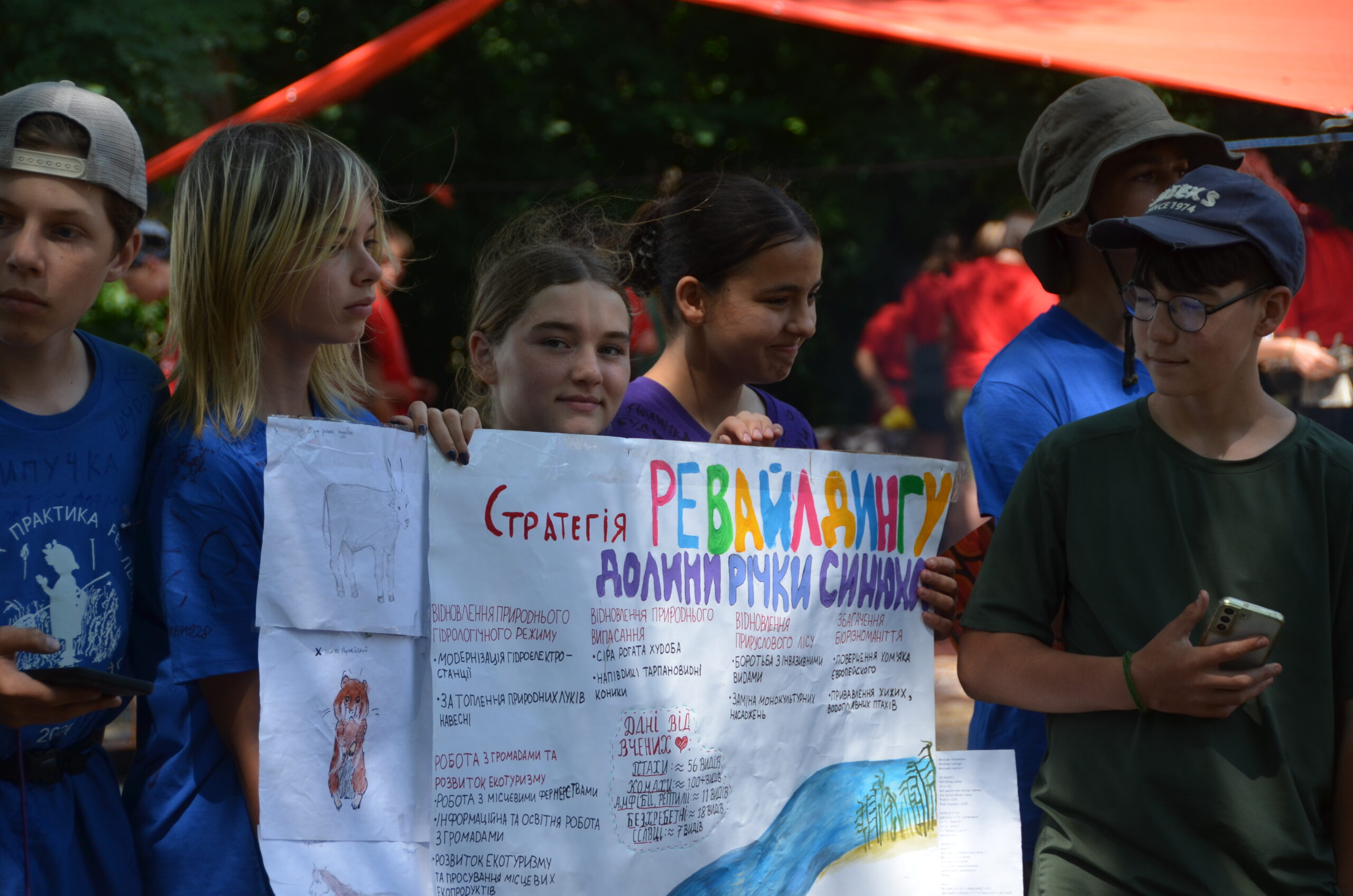
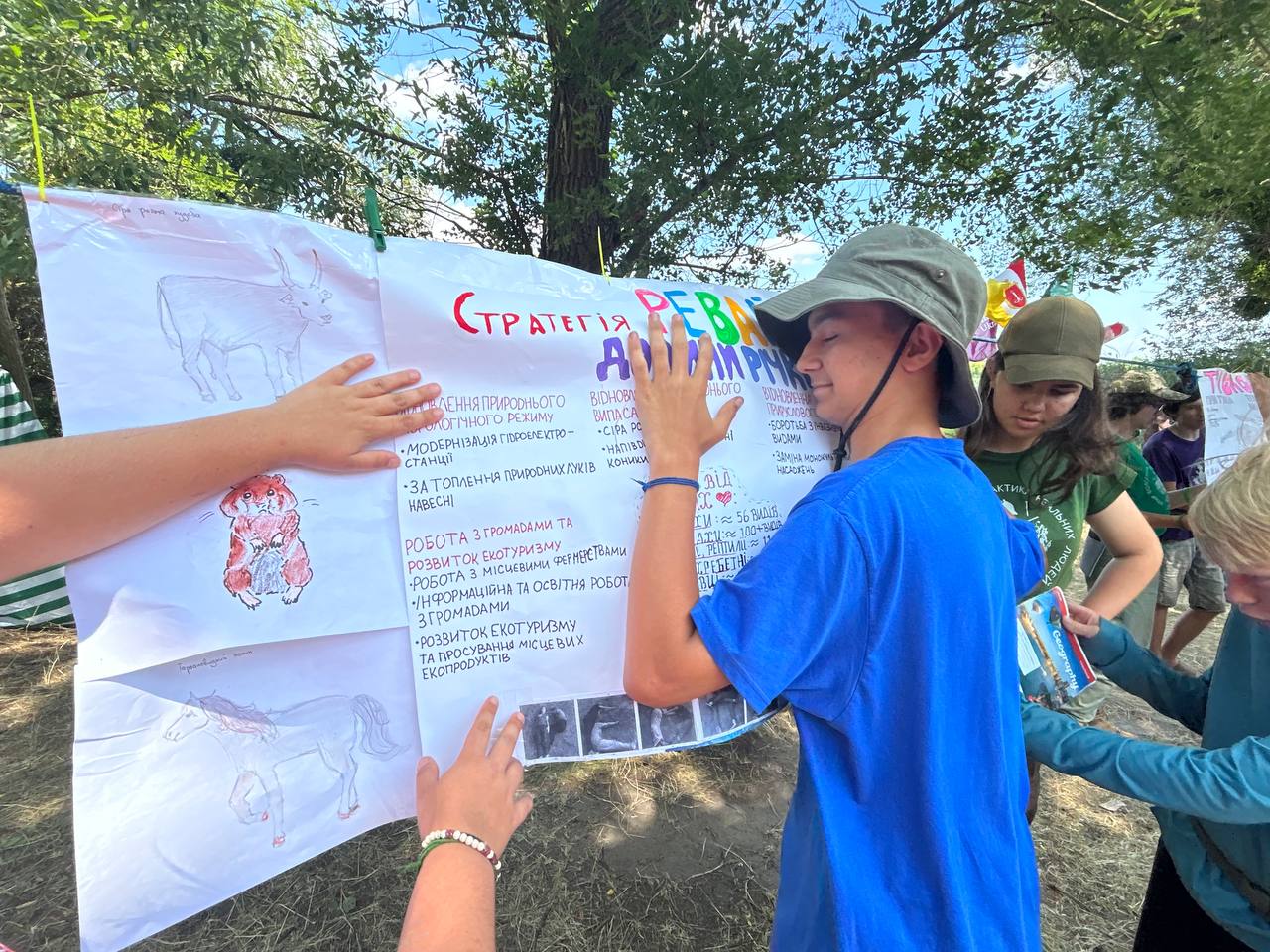
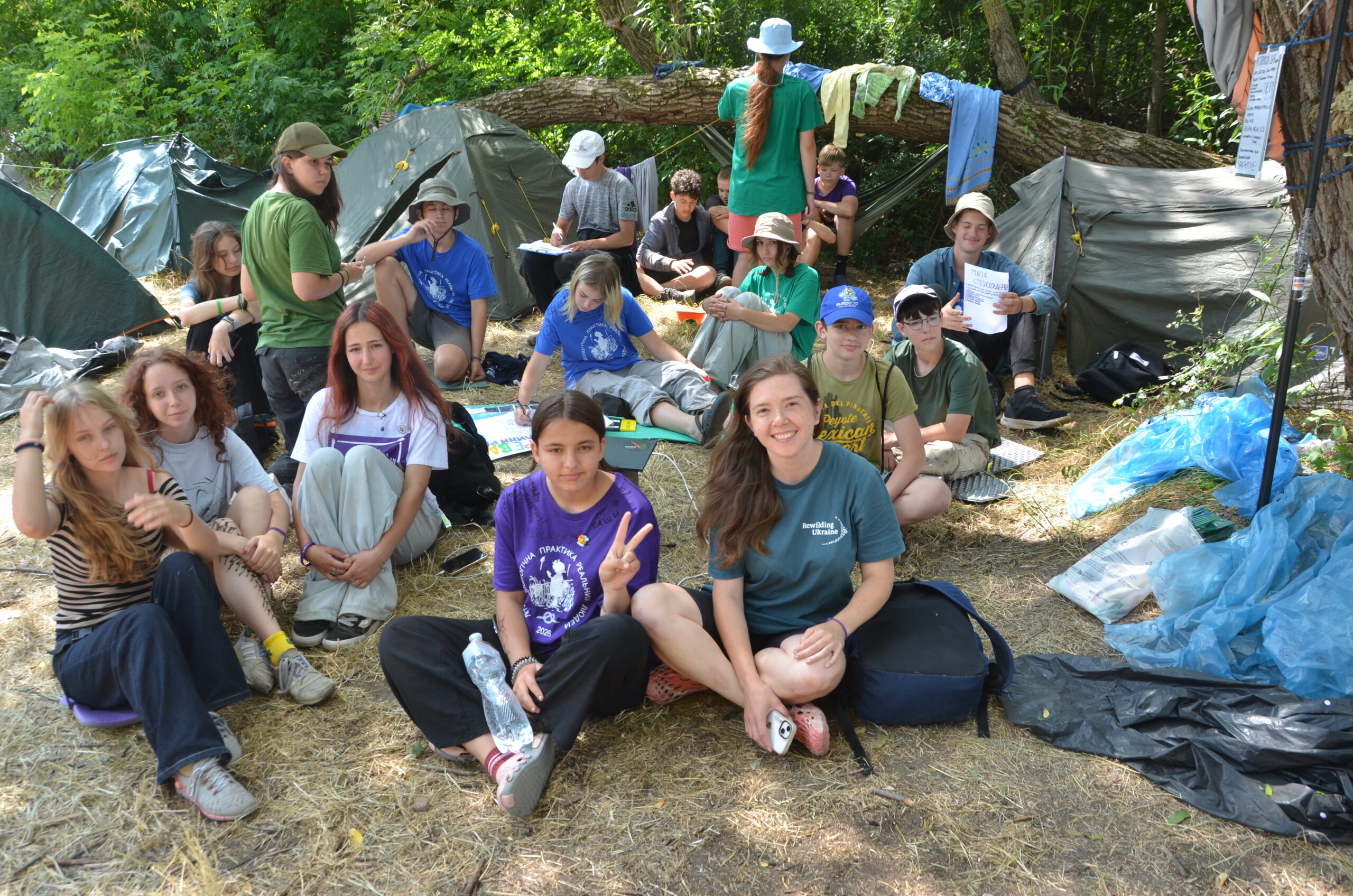
For Rewilding Ukraine, participation in LBPRL marked another important step in promoting the ideas of rewilding among young people. Field practices like this help future biologists, ecologists, and conservationists not only deepen their understanding of nature but also develop practical solutions for restoring ecosystems by combining science, hands-on experience, and inspiration.